Pancakes galore

Children’s birthdays chez Collier are celebrated with pancakes for breakfast. We owe this idiosyncratic tradition to the cycle of the moon, its influence upon the religious calendar, and the births of Louis and Rosa just two days (and three years) apart in mid-February: Shrove Tuesday regularly coincides with one of these birthdays. To deflect accusations of favouritism, I started making pancakes for the May birthdays too, even on a school day when time was tight. I hope you’ll continue the tradition with the next generation. The basic recipe below, from Delia Smith, is followed by two that elevate the humble pancake to something more luxurious.

Makes 12-14 pancakes

Ingredients

110g plain flour, sifted
A pinch of salt
2 large eggs
200ml milk mixed with 75ml water
50g butter, melted

To serve
Caster sugar, lemon wedges, Nutella, jam

You will also need a solid 18cm frying pan, kitchen paper, a palette knife or pan slice, and a ladle.

Method

Sift the flour and salt into a large mixing bowl. Make a well in the centre and break the eggs into it. Begin whisking the eggs – by hand or with an electric whisk – drawing in any bits of flour from around the edge. Gradually add small quantities of the milk and water mixture, whisking all the time. When all the liquid has been added, scrape any stray bits of flour from around the edge into the centre, then whisk once more until the batter is smooth, with the consistency of thin cream. Stir in 2tbsp of the melted butter and leave the batter to rest for half an hour if you have time. (Tip: you can leave it overnight in the fridge if you’re worried about the school run the next morning.) 

Have the rest of the melted butter to hand and use a wodge of kitchen paper to lubricate your pancake pan before you cook each pancake. Get the pan really hot, then turn the heat down to medium and start with a test pancake to check if you’re using the correct amount of batter (2tbsp per pancake is about right). Using a ladle, pour in a quantity of butter and immediate tip the pan around to get the base evenly coated with batter. It should take only 30 seconds or so to cook: lift the edge to see if it looks the right colour. Flip the pancake over with a pan slice or palette knife – the other side will need a few seconds only – then slide it out of the pan onto a plate. 

To serve, sprinkle each pancake with lemon and sugar or spread with whatever concoction takes your fancy, roll up and devour.

Crêpes Suzette

A French classic, crêpes suzette enjoyed a resurgence in popularity after Delia revived them, along with a number of 1960s favourites, in her 1993 Winter Collection. As is the case for much culinary history, the origins of the dish are disputed (you can read the Wikipedia entry here).


Serves 6

Ingredients for the crêpes 

1 quantity basic pancake batter (see above) +
grated zest of 1 medium orange
1 tbsp caster sugar

For the sauce

150ml orange juice (from 3-4 medium oranges)
Grated zest of 1 medium orange
Grated zest and juice of 1 small lemon
1 tbsp caster sugar
1 tbsp Grand Marnier, Cointreau or brandy
50g unsalted butter
A little extra of your chosen spirit for flaming

Method

Make your crêpes: try to make them a bit thinner than the basic pancakes above, using slightly less batter for each one, and don’t worry if they look a bit ragged because they’re going to be folded. 

For the sauce, mix all the ingredients, except the butter, in a bowl. Melt the butter in the frying pan, pour in the sauce and heat gently. Place the first crêpe in the pan and give it time to warm through before folding in half and then half again to make a triangular shape. Slide this to the edge of pan, tilt the pan slightly so the sauce runs back into the centre, then add the next crêpe. Continue like this until they’re all re-heated, folded and well soaked with the sauce.

To flambé them, warm a little liqueur or brandy in a ladle over a gas flame, then set light to it. Pour the flaming liquid over the crêpes, then serve on warmed plates. 

Gundel palacsinta

A decadent Hungarian classic, this was created by Károly Gundel, the original owner of Budapest’s famous Gundel restaurant. I sourced a recipe online over a decade ago but made these for the first time only last year. We found the brandy overpowering, so I’ve adapted the recipe after consulting one of Granny’s Hungarian cookbooks. 

Serves 4-6

Pancakes
1 quantity basic pancake batter (see above)

Filling
125g walnuts
60g raisins
60g caster sugar
Zest of ½ lemon or orange
2 tbsp dark rum or brandy

Chocolate sauce
2 tbsp cocoa powder
2 tbsp caster sugar
¾ tsp cornflour
2 egg yolks
130ml milk
100ml cream
100g dark chocolate, chopped
2 tbsp dark rum or brandy
¾ tsp vanilla essence
60g butter to finish cooking the pancakes

Method

Make the filling first (even a day in advance so that the flavours can develop). Finely chop the walnuts, or blitz in a food processor, and the raisins, and combine with the sugar, citrus zest and rum/brandy. 

Make your pancake batter as described in the basic recipe above and leave it to stand while you get on with the sauce.

For the chocolate sauce, beat the cocoa, sugar, cornflour and egg yolks together. Bring the milk and cream to the boil and pour over the yolk mixture, whisking. Return to the heat and cook gently, stirring, until the custard thickens. Remove from the heat and add the chocolate, rum/brandy and vanilla, stirring until combined. Keep the sauce warm while you cook the pancakes.

Cook 12 pancakes as described in the basic recipe above and stack them on a plate. Now place a spoonful of filling in each pancake and fold into four so that they look like triangles. Repeat with the remaining pancakes. 

Heat a large frying pan with the butter and add the filled pancakes, frying gently on both sides to warm them through. If you’re feeling brave enough to flambé them, warm some more rum or brandy in a ladle over a gas flame, then set light to it. Pour the flaming liquid over the pancakes, then serve with the warm chocolate sauce poured over the top. 

White chocolate cardamom mousse

If, after making hollandaise or mayonnaise or custard, you’re looking for a use for leftover egg whites, look no further than this rich, aromatic mousse. The recipe is from Nigel Slater’s Real Food (the same source as lemon chicken), which has a whole chapter devoted to chocolate. Slater insists that only the best quality white chocolate will do, and advises serving the mousse in extremely small quantities: the amounts below will fill 6 ramekins or 8 espresso cups.

Serves 6-8

8 plump green cardamom pods
100ml milk
3 bay leaves
250g white chocolate
300ml double cream
3 free range egg whites
Good quality cocoa powder for dusting

Method

Bash the cardamom a little to break open and extract the seeds, then add them (husks and all) to the milk and bay leaves in a small saucepan. Warm the milk over a moderate heat until it approaches the boil. Remove from the heat and leave to infuse for 20 minutes.

Meanwhile, break the chocolate into small pieces and melt in a bowl over (but not touching) simmering water. Overheating the chocolate will cause it to go lumpy, so as soon as it starts to melt, turn off the heat but leave the bowl in place.

In separate bowls, beat the egg whites to stiff peaks and whip the cream so that it forms soft mounds rather than peaks. 

When the chocolate is completely melted, remove from the heat and pour the warm milk onto it through a sieve. Stir the chocolate and milk together until velvety.

Stir in a spoonful of the beaten egg whites to lighten the mixture, than fold in the rest of the egg whites gently with a large metal spoon. Now fold in the softly whipped cream.

Scrape into a serving bowl or individual ramekins / espresso cups and refrigerate for three or four hours until set. Dust with cocoa before serving.

Squid & prawns with harissa

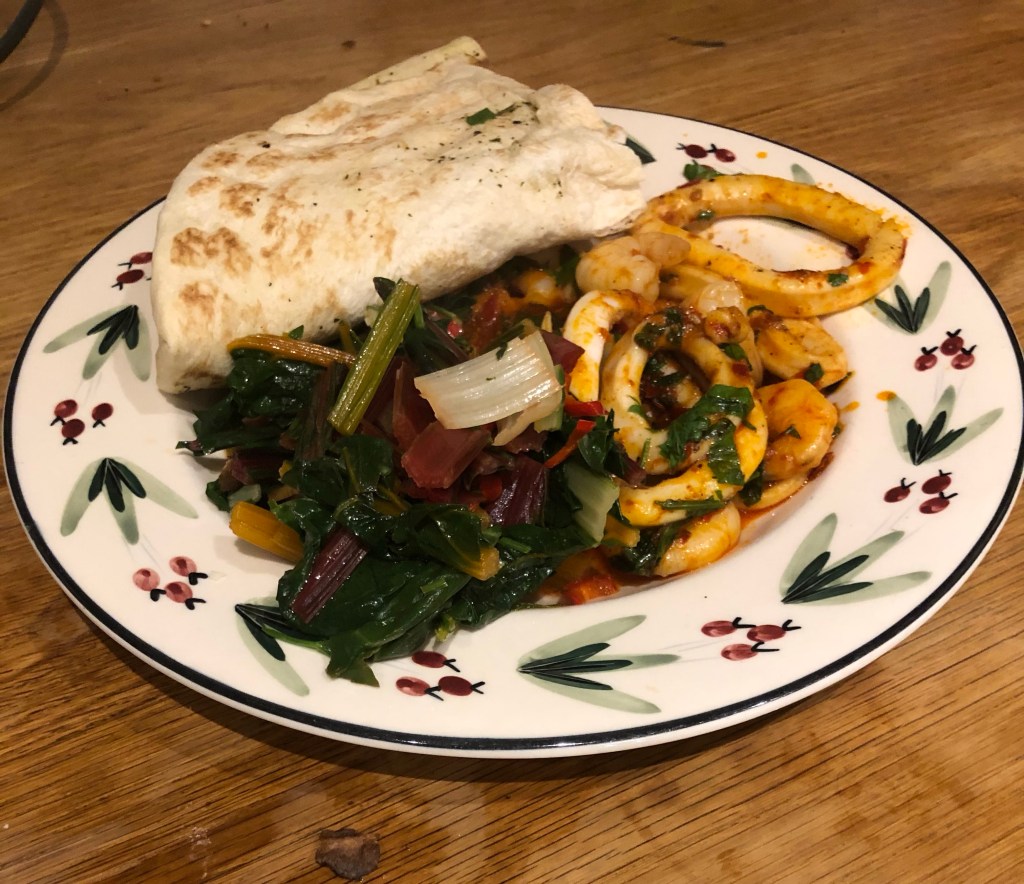
We tried this out for the first time back in Tarleton Gardens, after I received a copy of Sam & Sam Clark’s book Casa Moro for Christmas 2004. It’s a wonderfully simple and quick recipe, easy to rustle up for a weekday supper, and it has enjoyed a new lease of life since our return to West London, where I’ve found a great source of affordable frozen squid just around the corner. Belazu’s harissa is my preferred ready-made brand but I’ve recently made my own for the first time, using Nigella’s excellent recipe in Cook, Eat, Repeat (2020), which is reproduced below.

Served here with rainbow chard with garlic, chilli & lemon, and garlic & coriander naan

Serves 4

3 medium squid, about the size of your hand, cleaned (300g prepared weight)
3-4 tbsp olive oil
Salt & pepper
60g harissa
200g peeled raw prawns
3 tbsp roughly chopped fresh coriander
a squeeze of lemon

Method

Clean the squid, then cut the bodies into small strips or rounds no bigger than 1cm wide, and the tentacles in halves or quarters, depending on size.

In a large frying pan, heat the olive oil over a high heat. When it just begins to smoke, add the prawns and squid and sizzle for roughly a minute, stirring a couple of times. Then add the harissa and stir again. Finally, add the coriander and taste for seasoning. Serve immediately with bread and salad, dressed with olive oil and lemon.

Nigella’s apricot harissa

Ingredients

20g large dried chillies, such as Kashmiri chillies
1 tsp caraway seeds
1 tsp coriander seeds
1 tsp cumin seeds
Seeds from 4 cardamom pods
45g (approx 6) soft dried apricots
15g fresh turmeric (or 1 tsp dried turmeric)
4 fat cloves of garlic
25g fresh ginger
2 tsp sea salt flakes (or 1 tsp fine sea salt)
1 tsp sweet smoked paprika
4 x 15ml tbsp (60ml) olive oil
1 tsp apple cider vinegar

Method

Put the dried chillies in a bowl or jug and pour over about 500ml water from a just-boiled kettle. With a spoon, press the chillies down under the water (don’t try to weigh them down with something heavy if you want to avoid some dramatic consequences – accept that they will keep bobbing up), then cover with a plate and leave the chillies to soften for 15 minutes.

Put the caraway, coriander and cumin seeds, along with the seeds from the cardamom pods, into a frying pan and toast them all over a medium heat for a few minutes, shaking the pan regularly to make sure they don’t burn. When the spices are lightly coloured and releasing their aroma, tip them into the bowl of a blender. 

Halve the apricots, slice the turmeric (if using the fresh root) into three pieces, peel the garlic, peel and roughly chop the ginger and add all this to your blender, along with the salt and paprika (and dried turmeric if you’re not using fresh). Lift the chillies out of their soaking water, pull off the stalks and drop into the bowl. Pour in the oil and vinegar and blitz until you have a thick paste. You can do all this with a stick blender instead if you have one.

The mixture will last for 2 weeks in the fridge in a jar – Nigella advises pouring more oil over the surface to cover it before putting the lid on – or you can freeze it in ice cube trays, in which case it will last up to 6 months.

Coconut dal with lime kale

Last year, a pressing sense of responsibility towards the planet prompted us to sign up for Veganuary. We soldiered on through gamely, experimenting with all sorts of alternative foods, but were not prepared to commit to long-term veganism: the end of our month-long meat and dairy drought was marked by a slap-up full English breakfast on 1st February 2020. We have, however, pledged allegiance to Veganuary again this year and have made sure to include this great recipe from Meera Sodha on the menu. It’s cheap, filling and sees off your father’s sense of deprivation. 

Serves 4

Ingredients
450g red lentils
3 cardamom pods
vegetable oil
1 cinnamon stick
3 whole cloves
2 brown onions, thinly sliced
4 garlic cloves, crushed
2cm ginger root, peeled and grated
2 green finger chillies, finely sliced
½ tsp ground turmeric
250g kale
200ml tinned coconut milk
Salt
½ tsp mustard seeds
2 tbsp desiccated coconut
1 lime, juiced
rice and plain yogurt to serve

Method
Wash the lentils in cold water until the water runs clear, then cover in water and leave to one side. Bash the cardamom pods with a pestle and mortar until cracked.

Put 2 tablespoons of vegetable oil into a deep lidded saucepan over a medium heat and, when hot, add the cardamom, cinnamon stick and cloves. Stir-fry for a minute, then add the onions. Cook for 10 minutes, stirring frequently, until the onions are browning and soft, then add the garlic, ginger and green chillies. Stir-fry for another couple of minutes, then remove a third of the mixture and leave it to one side.

Drain the lentils and add to the pan, along with the turmeric and 1 litre of hot water. Bring to the boil, then turn the heat right down and simmer for 20-25 minutes, until the lentils are soft and creamy. In the meantime, wash the kale and chop the leaves into 5cm strips, discarding the thicker stems. When the lentils are ready, add the coconut milk and 1½ teaspoons of salt, cook for another 5 minutes, then take off the heat. Cover to keep warm.

Put a tablespoon of vegetable oil into a lidded frying pan over a medium heat and, when hot, add the mustard seeds. When they pop, put the reserved onion mixture into the pan and fry for a couple of minutes, then add the kale and desiccated coconut. Stir-fry for a minute, then add 50ml of water and put the lid on. Leave to steam for 4 minutes, then add the lime juice and ½ teaspoon of salt and stir. Put the lid back on and steam for another 2 minutes, or until the kale is soft and tender.

To serve, ladle the dal into bowls and divide the kale over the top. Serve with rice and yogurt.

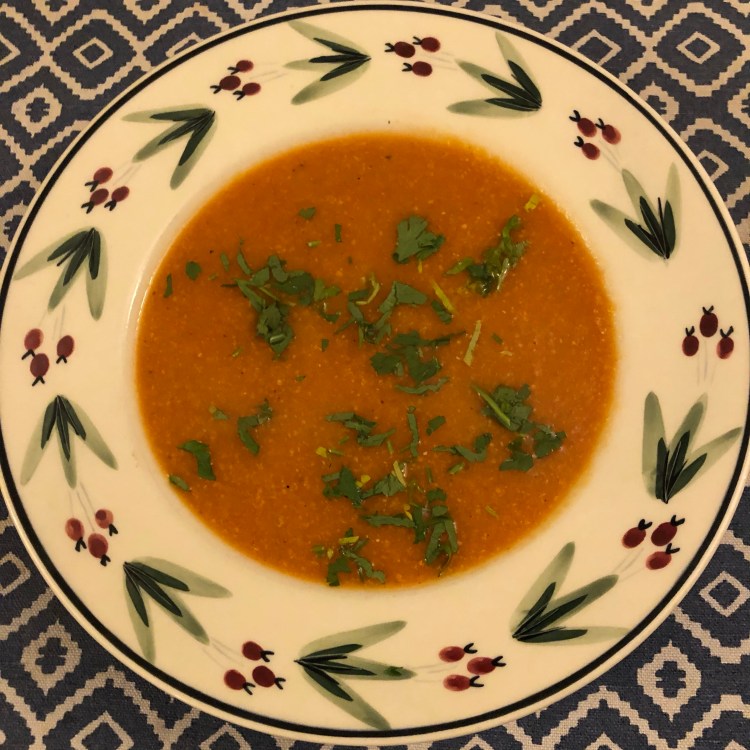
Chickpea & tomato soup

Here is another recipe originally from Sophie Grigson’s Food for Friends (see Aubergine Parmigiana). I’ve had to play around with it from the start because the officially published version has no tomatoes in it (in spite of the title) and, in any case, it lends itself to multiple variations. All sorts of tinned pulses will work just as well as chickpeas and you can sling in any flavourings that take your fancy: sumac, piros arany, carrots, even grilled red peppers all have their place.

Serves 4

Ingredients

1 onion, halved and sliced thinly
2 cloves garlic, thinly sliced
2 tbsp oil – anything not too strongly flavoured
zest and juice of half a lemon
1 tin chickpeas
1 tin chopped tomatoes
500ml vegetable or chicken stock
1 tbsp tomato puree
1 tsp ground cumin
½ tsp ground fenugreek
¼ tsp cayenne pepper
1 tsp sugar
salt to taste
Some chopped herbs (parsley or coriander) to garnish

Method

Heat the oil on a medium heat in a heavy saucepan and add the onions. Cook, stirring until softened (about eight minutes), then add the garlic and lemon zest and cook for another couple of minutes. Raise the heat and add the rest of the ingredients apart from the chickpeas, salt, lemon juice and herbs. Bring to a boil, then lower the heat again and simmer for 15 minutes. Add the chickpeas and cook for a final five minutes, then stir in the lemon juice and salt, remove from the heat and allow to cool a little before whizzing it all up (in two batches) in a blender. Reheat, check seasoning and serve with a scattering of herbs on top.

Oven-baked mushroom risotto

The traditional method of making risotto involves the slow addition of warm stock and a lot of stirring over a hot stove to produce a creamy mass of al dente rice. This alternative approach, devised by Delia Smith, saves all that bother and leaves the cook free for other worthwhile activities (like polishing off the Madeira). I have yet to live down the whisky-based experiment in 2009 but please don’t let that put you off trying this: it really is delicious. The adjusted quantities below make it a main course for six, Delia’s original having been intended as a starter.

Serves 6

Ingredients

15g dried porcini mushrooms
340g fresh dark-gilled mushrooms
75g butter
1 large onion, finely chopped
250g risotto rice (arborio or carnaroli)
225ml dry Maderia
3 tbsp grated parmesan plus 75g extra, shaved into flakes
Salt and pepper

You will also need a shallow ovenproof dish of 2-2.25 litre capacity

Method

First soak the dried mushrooms: place them in bowl and pour 850ml boiling water over them. Leave to soak and soften for half an hour. Meanwhile, finely chop your onion and cut the fresh mushrooms into about 1 cm chunks.

Preheat the oven to 140 fan.

Melt the butter in a large saucepan, add the onion and let it cook over a gentle heat for about 5 minutes, then add the mushrooms, stir well and leave on one side while you deal with the porcini. When they have had their half-hour soak, place a sieve over a bowl, line with a double sheet of kitchen paper or a muslin and strain the mushrooms, reserving the liquid. Squeeze any excess liquid out of them, then chop finely and add to the mushroom-onion mixture in the pan. Keep the heat low and let everything sweat gently and release their juices (about 20 minutes). Put the dish in the oven to warm.

Add the rice, stir to coat well, then add the Madeira, strained mushroom-soaking liquid, 1½ tsp salt and ground black pepper. Bring it up to simmering point, then transfer the whole lot from the pan to the warmed dish. Stir once, then put it uncovered in the oven for 20 minutes exactly.

When the buzzer goes, stir in the grated parmesan and return the dish to the oven for a further 15 minutes. Serve sprinkled with shavings of parmesan, and with a green salad alongside.

Slow-cooked lamb shanks

This dish ticks multiple boxes. Hearty and satisfying, it is sophisticated enough for a dinner party but also affordable if you get your lamb shanks from your friendly local Syrian butcher rather than from Waitrose. Once all the onions have been sliced, it also entails very little effort. The recipe is from the first River Café Cookbook, one of many in my collection from the mid-90s and has needed hardly a tweak since. Writing through gritted teeth and with growling stomach, at the start of Veganuary 2021, I predict that lamb shanks will make an early appearance on the table in February.

Serves 6 generously

Ingredients

6 small lamb shanks
plain flour for dusting
salt and pepper
2 tbsp olive oil
6 red onions, peeled and finely sliced
a handful of chopped rosemary leaves
4 garlic cloves, peeled and chopped
175 ml balsamic vinegar
300 ml red wine

Method

Preheat the oven to 180 (fan) / 200C.

Dust the lamb shanks with seasoned flour. In a heavy-bottomed saucepan with a lid, heat the oil and brown the shanks on all sides, then remove. Lower the heat, add the onions and cook for about 10-15 minutes until light brown. Add the rosemary and garlic and cook for another couple of minutes. Raise the heat and add the balsamic vinegar and the wine. Reduce for a couple of minutes.

Return the shanks to the pan, reduce the heat and cover with a piece of moistened greaseproof paper and the lid. Cook in the oven for 2-2½ hours, or alternatively on top of the stove (slowly). 

Check the shanks from time to time, basting with the juices, turning them over and adding more wine if they look too dry. Serve whole, with the juices. Mashed potatoes are a great accompaniment, along with something green.

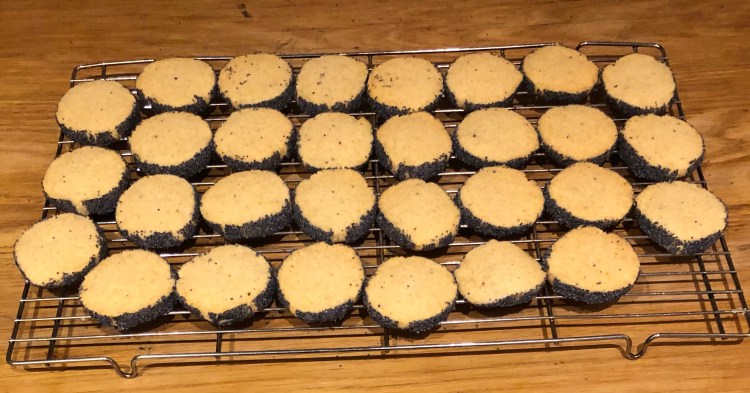
Parmesan & poppyseed biscuits

These are a savoury version of kilted highlanders, the demerara-coated shortbread biscuits that Great-Granny would often wheel out at tea time. They’re incredibly easy to make, arresting to look at and make a great accompaniment to pre-dinner drinks. Given that the recipe comes from Ottolenghi (his first book), you might be surprised to recognise all the ingredients on the list – no esoteric surprises here, especially for the Hungarian, for whom poppyseeds (mák) are a store-cupboard essential.

Makes about 20 biscuits

Ingredients

210g plain flour, plus plenty extra for dusting
1/2 tsp baking powder
1/2 tsp paprika
a pinch of cayenne pepper
165g unsalted butter, at room temperature
165g Parmesan cheese, freshly grated
80g poppyseeds
1 egg, beaten
Salt and black pepper

Method

Sift the flour, baking powder, paprika and cayenne into a bowl and add the salt and pepper. Mix the softened butter with the Parmesan until they are well blended. You can do this either by hand, using a wooden spoon, or in a freestanding mixer fitted with the paddle attachment.

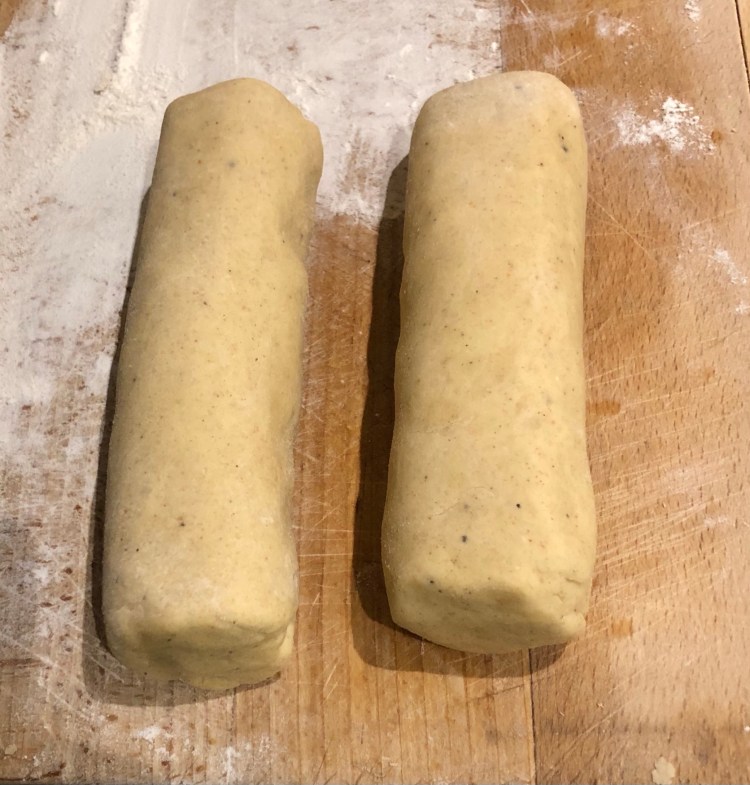
Add the dry ingredients and continue mixing until a soft dough is formed. Put the dough on a well-floured work surface and divide it in half. Using plenty of flour, both on your hands and on the work surface, roll each piece into a long log, 3- 4cm in diameter. Wrap each log in cling film and place in the fridge for about 30 minutes to firm up.

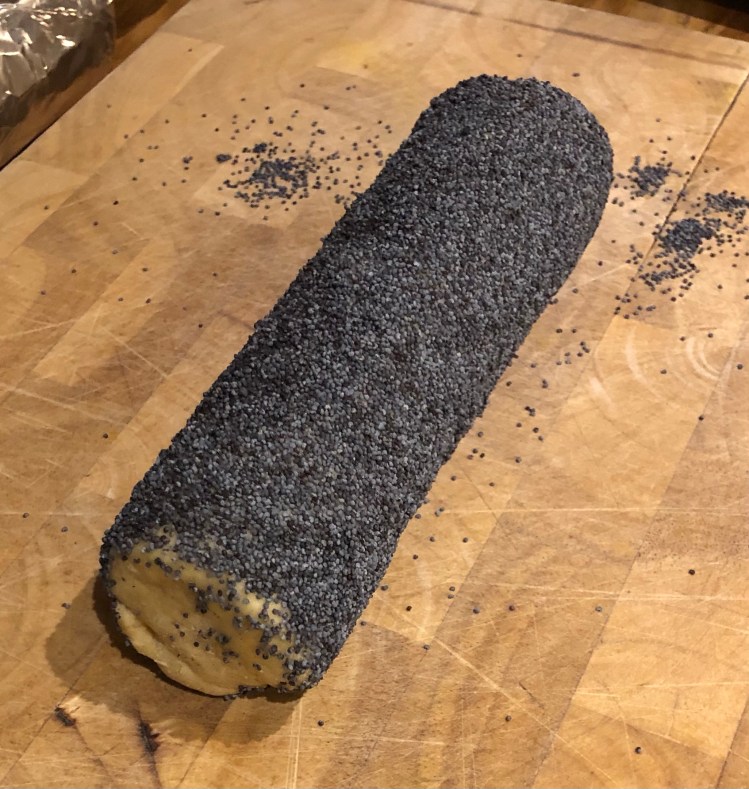
Scatter the poppyseeds over two sheets of foil large enough to wrap each log. Brush the logs with the beaten egg and then roll them in the poppyseeds until covered. Roll up the foil and secure the ends.

Refrigerate again for 1 hour (at this stage you can also freeze them).

Preheat the oven to 160°C fan. Line a baking sheet with baking parchment. Cut the logs into slices 5 mm thick and arrange them on the tray, spaced apart. Bake for 15 minutes or until the biscuits are dark golden.

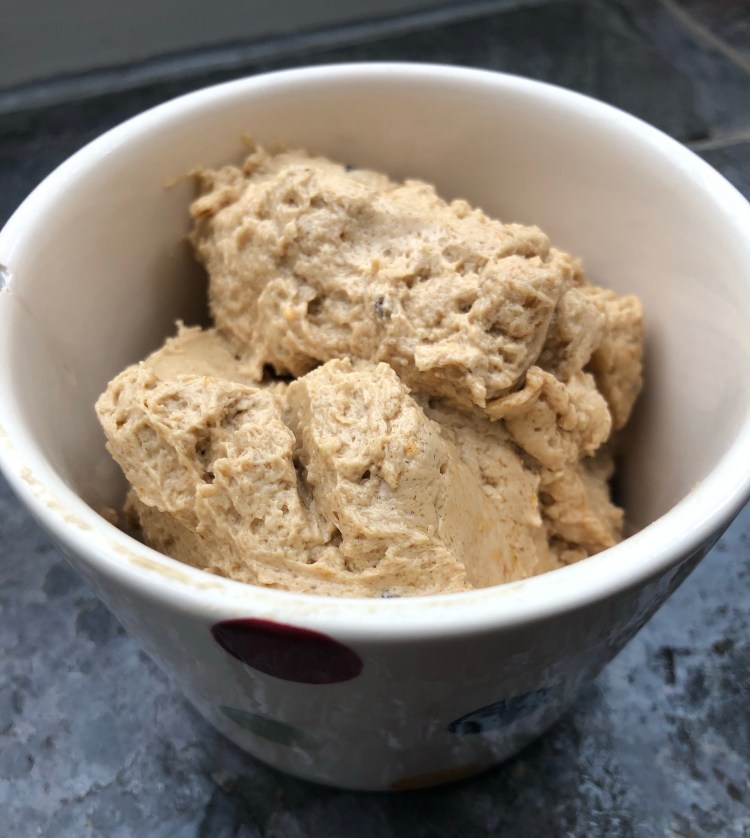
Brandy butter

The essential accompaniment to Christmas pudding, brandy butter is easy to make and keeps for ages in the fridge. I’ve learned from bitter experience not to go in too heavy with the brandy: it’s liable to split the mixture, which will still taste fine but will look, unappetisingly, like scrambled eggs. If it does split, just sift in more icing sugar and beat until it’s smooth again. My version includes dark brown sugar and orange, echoing elements of the pudding, which, if flambéd with more brandy, will provide the desired extra kick of booze.

Serves 8

Ingredients

120g unsalted butter, at room temperature
120g icing sugar
60g dark brown sugar
zest of ½ orange + 1-2 tbsp orange juice
3 tbsp brandy

Method

Using an electric hand whisk, mix up the butter and sugars until soft and well combined. Add the orange zest and juice, whisk again and then incorporate the brandy a tablespoon at a time. Pile into a serving vessel and chill until you need it, but give it a good hour out of the fridge to soften up before serving.

Christmas sauces

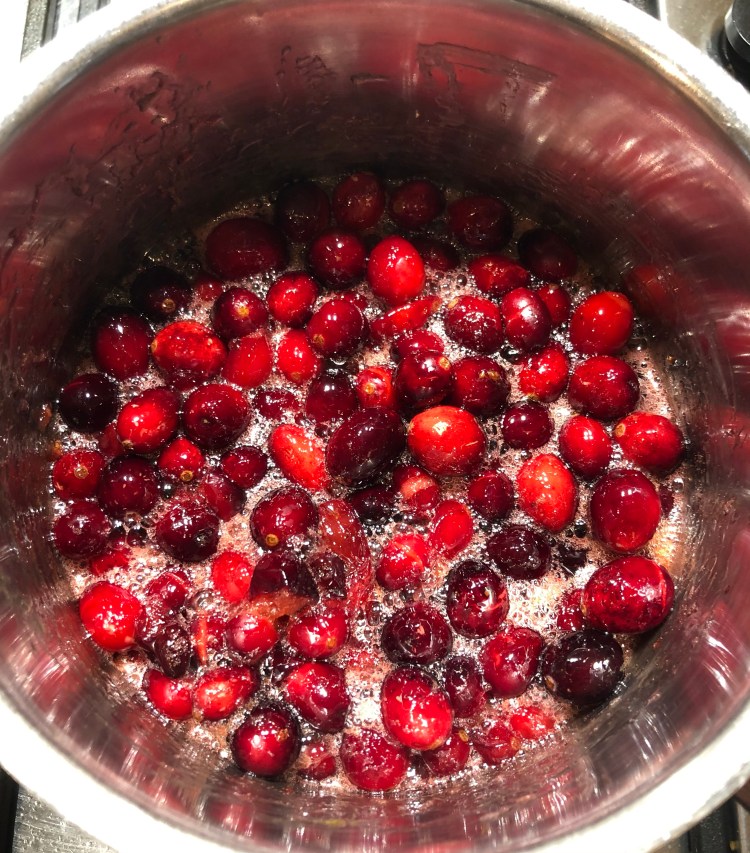
Here are foolproof instructions for two accompaniments to roast turkey: cranberry sauce and bread sauce. Both can be made in advance and stored in the fridge for a couple of days. The cranberry sauce will in fact keep for much longer if kept in a sterilised jar.

Cranberry sauce

Serves 6

Ingredients

Juice of 1 orange, plus zest of ½ orange
150g caster sugar
300g fresh cranberries
1½ tbsp port

Method

Put the orange juice and sugar in a small pan and heat gently, stirring, until the sugar dissolves. Add the cranberries, bring to a simmer, then cook for about eight minutes, until most of the fruit has burst and you have a loose sauce: it will set as it cools, so don’t worry if it still seems a bit liquid when you stop cooking.

Stir in the port and orange zest and transfer to a bowl. Chill until needed. It can be served warm or cold.

Bread sauce

Serves 6-8

Ingredients

1 small onion, peeled
5 cloves
2 bay leaves
3-4 shards blade mace
10 peppercorns
500ml whole milk
115g white breadcrumbs
1 tbsp cream (optional)
nutmeg, grated
½ tsp salt

Method

Cut the onion in half and stud the cut side with the cloves, then put in a small pan with the bay leaves, mace, peppercorns and milk. Heat until it is on the point of boiling, then turn off the heat and leave to infuse for an hour.

Strain the milk, return to the pan and gently reheat. Stir in the breadcrumbs and heat, stirring, until the mix has thickened to your desired consistency. Stir in the cream, if using, season to taste with salt and grated nutmeg, then transfer to a bowl and serve warm. If you make it in advance, chill in the fridge and zap in the microwave for a couple of minutes before serving: it may need a little more milk or cream to loosen the texture.